EFA STUDIO PROGRAM: Member Artists
Pablo Helguera
EFA Lunchtime Studio Visit with Pablo Helguera
My work explores the invisible systems through which people construct shared realities: language, education, ritual, bureaucracy, storytelling, and cultural institutions. I am interested in the ways ideas circulate socially—not simply as information, but as habits, performances, misunderstandings, and collective fictions.
Working across installation, performance, publishing, education, social interaction, and writing, I create projects that function less as objects than as propositions. They invite participants to inhabit unfamiliar structures of thought, revealing how knowledge is produced, transmitted, and contested.
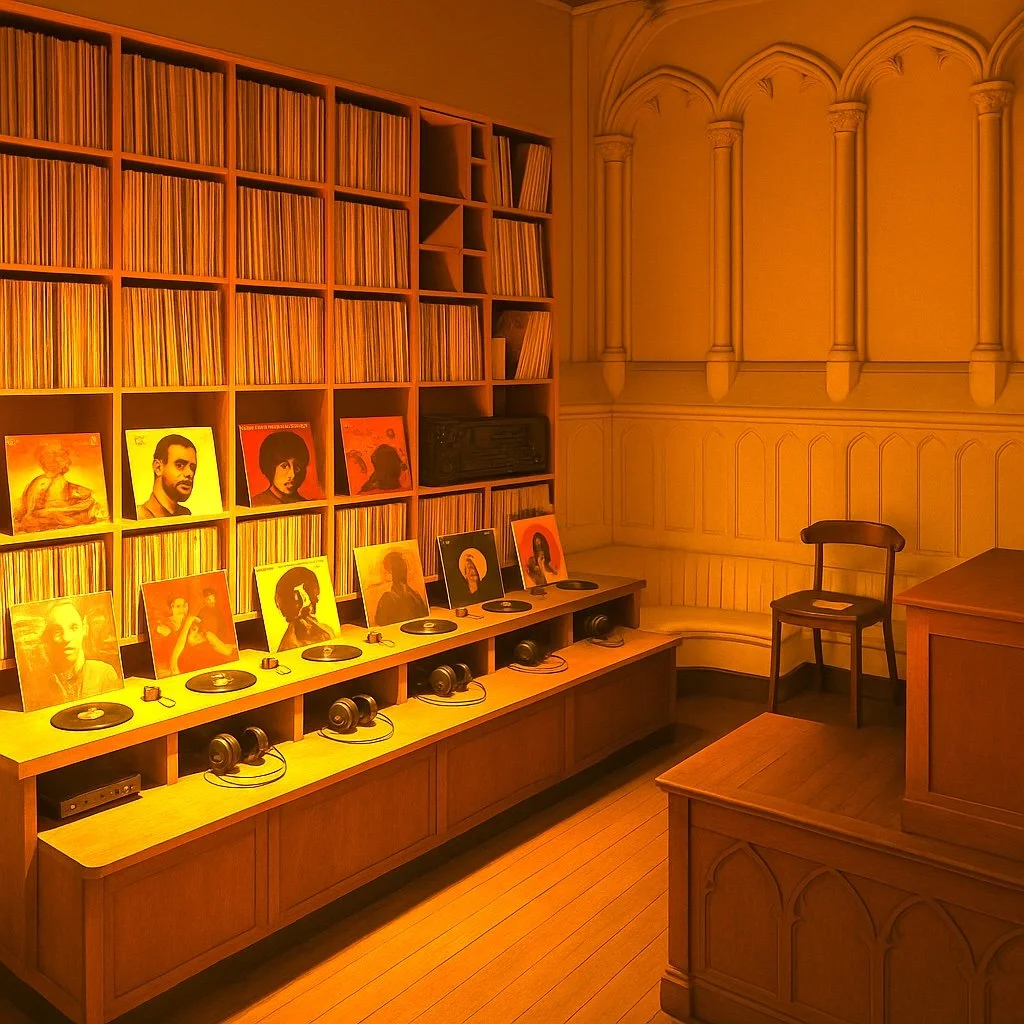
Many of my projects borrow the forms of existing institutions—a library, a school, an archive, an opera, a bookstore, a telenovela—not to imitate them, but to expose their assumptions and imagine alternatives. I am drawn to formats that people already recognize because they carry expectations, rituals, and authority. By slightly displacing these forms, I hope to make their underlying logic visible.
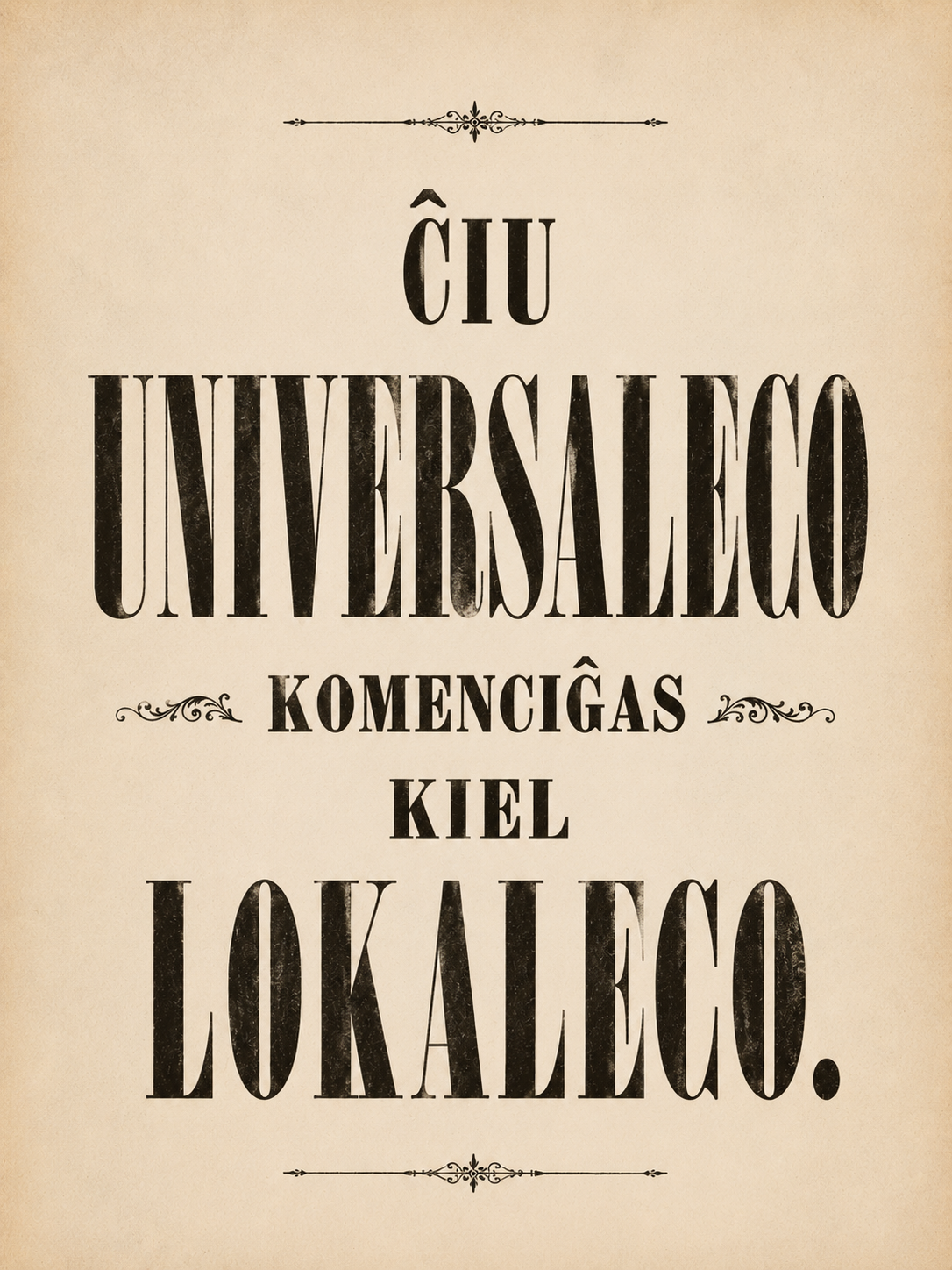
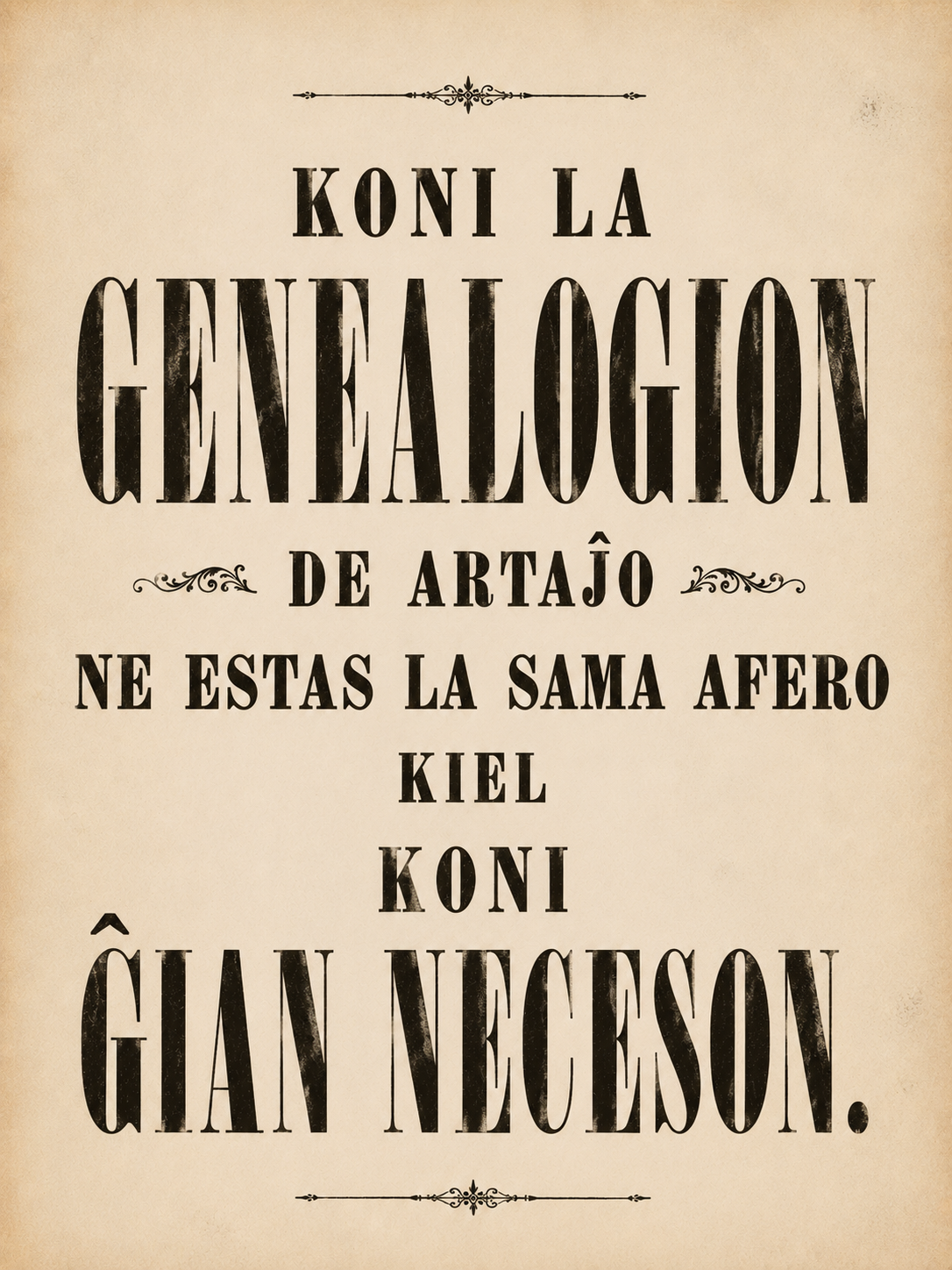
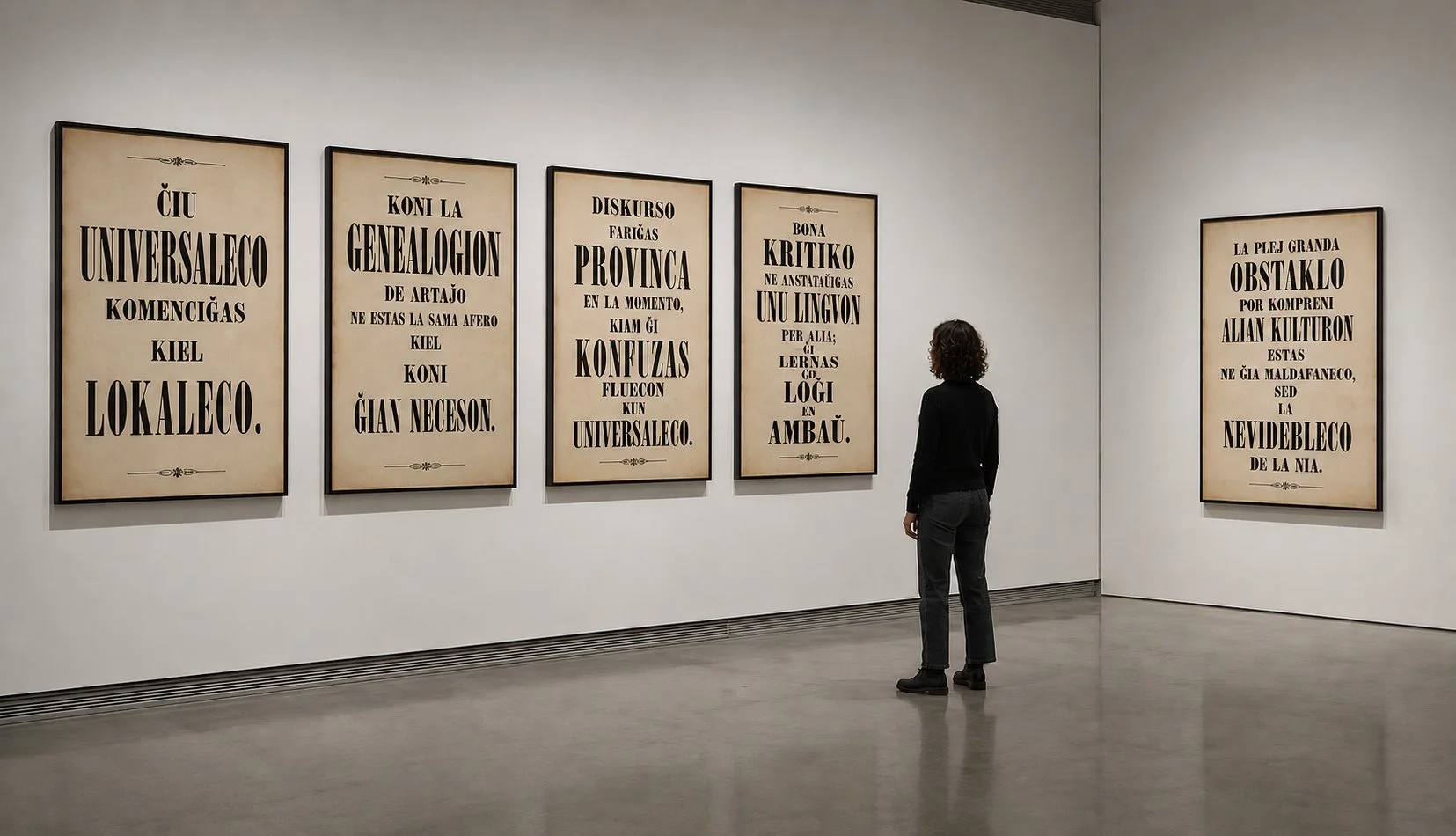
Language occupies a central place in my practice. Translation, multilingualism, and miscommunication are not simply linguistic concerns but political and ethical ones. They reveal how every claim to universality emerges from a particular locality, and how understanding depends less on fluency than on the willingness to inhabit another person's frame of reference.
Although much of my work unfolds through conversation and participation, I do not see dialogue as an end in itself. Rather, conversation is a method for producing thought collectively, allowing meaning to emerge through encounter rather than prescription. I am interested in creating situations where participants become conscious not only of what they think, but of how they have come to think it.
Underlying these projects is a broader interest in the imagination as a civic faculty. Art, for me, is not primarily a vehicle for representation or expression, but a way of rehearsing other possibilities of living together. It offers temporary models of alternative institutions, relationships, and ways of knowing—spaces where the social world can be examined, questioned, and reimagined.